
The French may hold the crown for timeless beauty, but when it comes to pioneering in ethical beauty, I’d say British brands are leading the way. From campaigning against animal cruelty to creating organic certified products and developing solid beauty, many years of innovation and dedication have led to new ethical standards in beauty. These new approaches require persistency in research and strong values, these are the kind of risks niche and independent brands are willing to take: their stance can help them stand out from the crowded beauty market, they are the ones who’ve really disrupted the industry, blown everything up in smoke before their practices then become mainstream. So here are six beauty brands I think deserve a standing ovation for doing the right thing, when no one else was willing to take the leap.

The Body Shop
Best known for: campaigning for cruelty-free beauty
When Anita Roderick set up The Body Shop as a cruelty-free beauty brand in 1976, she was in the minority. Today the ban on animal testing in cosmetics is part of the EU legislation. The Body Shop was instrumental in raising awareness of animal cruelty in the 90s, being the first cosmetics brand to campaign on the issue of animal testing within beauty. In 1996 they delivered a petition signed by 4 million people to the European Commission and in 1998, Britain introduced a ban on animal testing on cosmetic products and ingredients. EU legislation continued to be improved to ensure that individual ingredients making up the cosmetic product couldn’t be tested on animals either, and in 2013 a further ban was introduced where products and their ingredients sold in Europe couldn’t be tested overseas. It’s thanks to changemakers like Anita Roderick that meaningful ethical change becomes law.

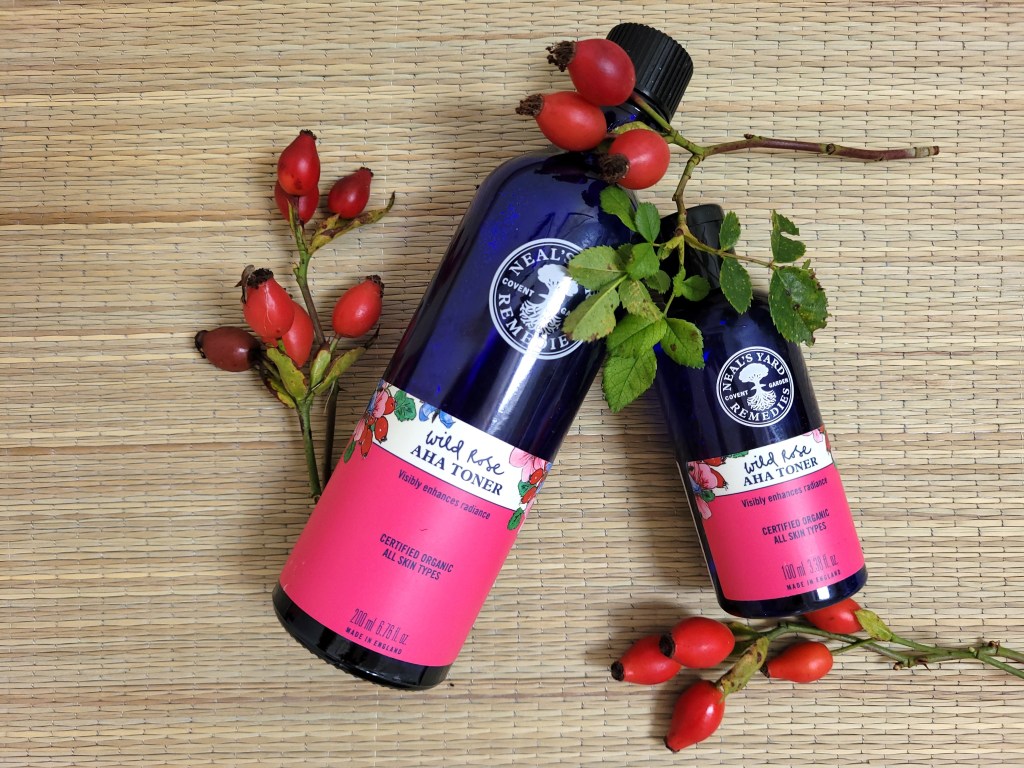
Neal’s Yard Remedies
Best known for: creating the first certified organic beauty products
Romy Fraser, founder of Neal’s Yard Remedies, is another incredible sustainable beauty pioneer. She set up her apothecary-style natural remedies shop in the heart of Covent Garden, hand making products in the back of the store. Throughout the last 40 years the brand has had a number of ethical firsts, from being the first UK high street retailer to be certified CarbonNeutral® in 2008, to consistently achieving 100/100 with the Ethical Good Shopping Guide. And in 1991, thanks to their long-standing work with The Soil Association, they were the first ever brand to offer certified organic beauty products. Their continued work to develop organic formulas has recently been recognised by the prestigious Marie-Claire Sustainability Award, winning Best Organic Brand.
Beauty Kitchen
Best known for: achieving the highest B Corp beauty score in Europe
Once upon a time B Corp was a very small and niche certification, for businesses that truly wanted to act in a sustainable, transparent and responsible way. Beauty Kitchen, creators of effective, natural sustainable skincare, became the first high street sustainable beauty business in the UK to become a certified Beauty B Corp back in 2017. Today they are the highest scoring B Corp in the European beauty industry, achieving an impressive 139.8 score – that’s a huge leap from when they originally got certified with a score of 89.3. To maintain their B Corp certification, brands need to undergo re-certification every three years. This is an opportunity to continually improve on that score, and it looks like Beauty Kitchen took this seriously, implementing initiatives such reusable packaging, sustainably sourced ingredients, donating 2% of sales to charity and manufacturing in the UK in order to achieve this best-in-class score. That deserves a gold star.

Eco Warrior
Best known for: introducing solid haircare as mainstream
Only a few years ago solid shampoos and conditioners were virtually unheard of. Fast forward to today and you’ll come across them in most haircare aisles, be it in drugstores, department stores or supermarkets. Admittedly they’re still a very small percentage of the haircare market, but they have so much potential as formulas become increasingly sophisticated, and they offer one of the most sustainable formats: plastic-free, water-free and zero waste, they also typically provide more washes per bar than a standard bottle of shampoo… proper little heroes! A key factor in getting these bars into people’s hands is distribution: how easy are they to find and purchase? Founded in 2008, Little Soap Company is certified vegan, cruelty-free, B Corp [link to article] and carbon neutral, and has always sold their natural products into supermarkets, so when they launched their Eco Warrior range of solid shampoo bars, they did so with at an affordable price, in easily accessible outlets such as Boots, Waitrose, Ocado and Sainsburys. And you’ll find some of their non-haircare solid bars in Asda, Morrisons and Superdrug, making it super easy to pick up your everyday beauty essentials during your supermarket shop.
SBTRCT
Best known for: championing zero waste solid skincare
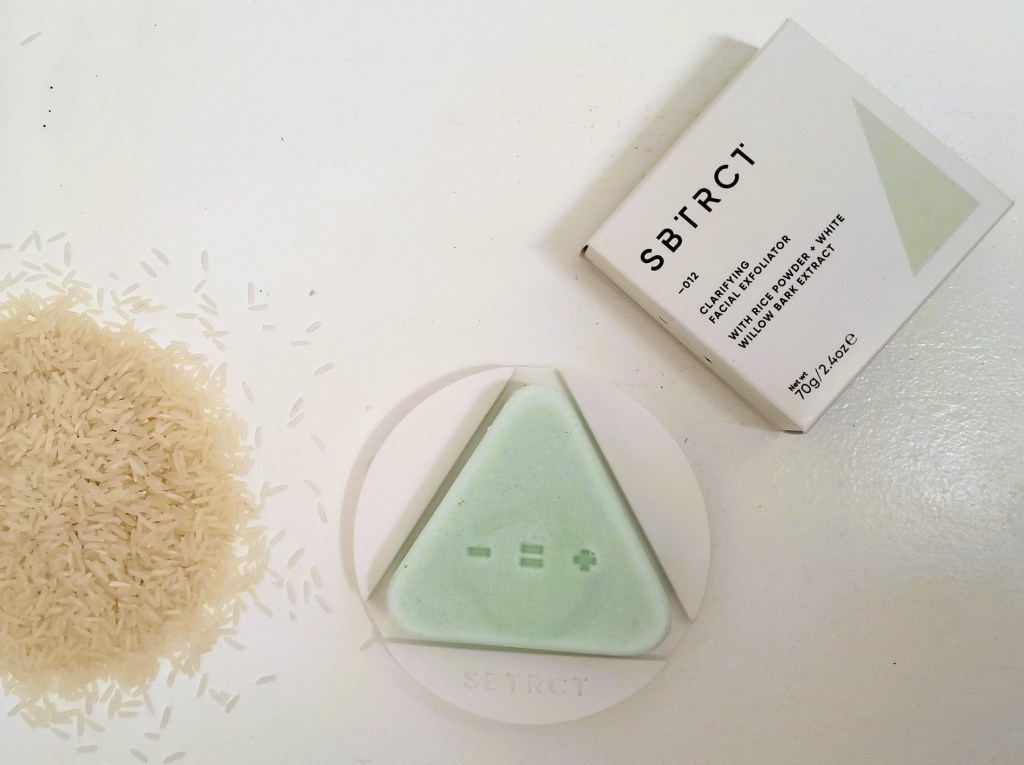
Speaking of solid beauty, SBTRCT is a relatively new plastic-free solid skincare B Corp brand and yet in its short life it’s already won numerous sustainable beauty awards. The founder, Ben Grace, has one aim: to create the highest performing skincare products with the lowest environmental impact. With SBTRCT, less is more, as the brand champions less packaging and plastic-free, water-free and palm oil-free formulas. This translates into incredibly innovative products: Rejuvenating Night Balm, the world’s first solid retinoid, and Vitamin C Booster, the world’s first solid Vitamin C Serum. And this is only the start for this trailblazer.
Mugler
Best known for: the first perfume refills
I remember spotting Angel refill fountains in department stores the moment I started working in beauty – and that was a while ago now. But according to their site they started offering refills on their bestselling fragrance as early as 1992 – way before in-store refill stations really took off, earning them the status of refill pioneers. That year they launched their now iconic fragrance Angel in a refillable perfume bottle, an industry first, allowing Angel fans to refill their beautiful bottle again and again. Today there are over 10,500 fountains available in perfumeries worldwide, as well as at-home refill bottles for all the brand’s Eaux de Parfum, saving on the amount of glass, plastic and cardboard used every time. Encouraging facts: 1 Mugler bottle is refilled every 25 seconds around the world, and 1.5 million bottles and 380 tons of glass are saved every year. Keep refilling those bottles.
Features gifted products
 Fresh Beauty Fix
One thought on “BEAUTY PIONEERS: LEADING THE ETHICAL AND SUSTAINABLE WAY”