
Beauty books can be very focused on skincare routines, skin types and dos and don’ts. These 3 each take a different angle, from a cosmetic icon’s history to a beauty mogul’s professional journey, and a peak into the world of dermatology. Use these 3 short book reviews to pick a camp and choose your next beauty read.
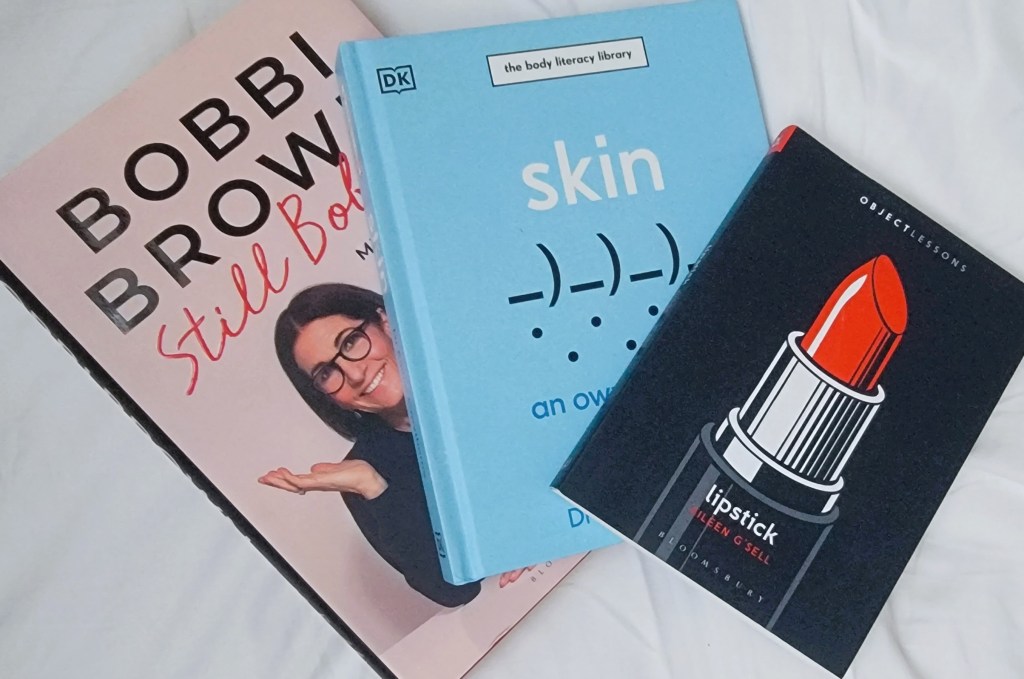
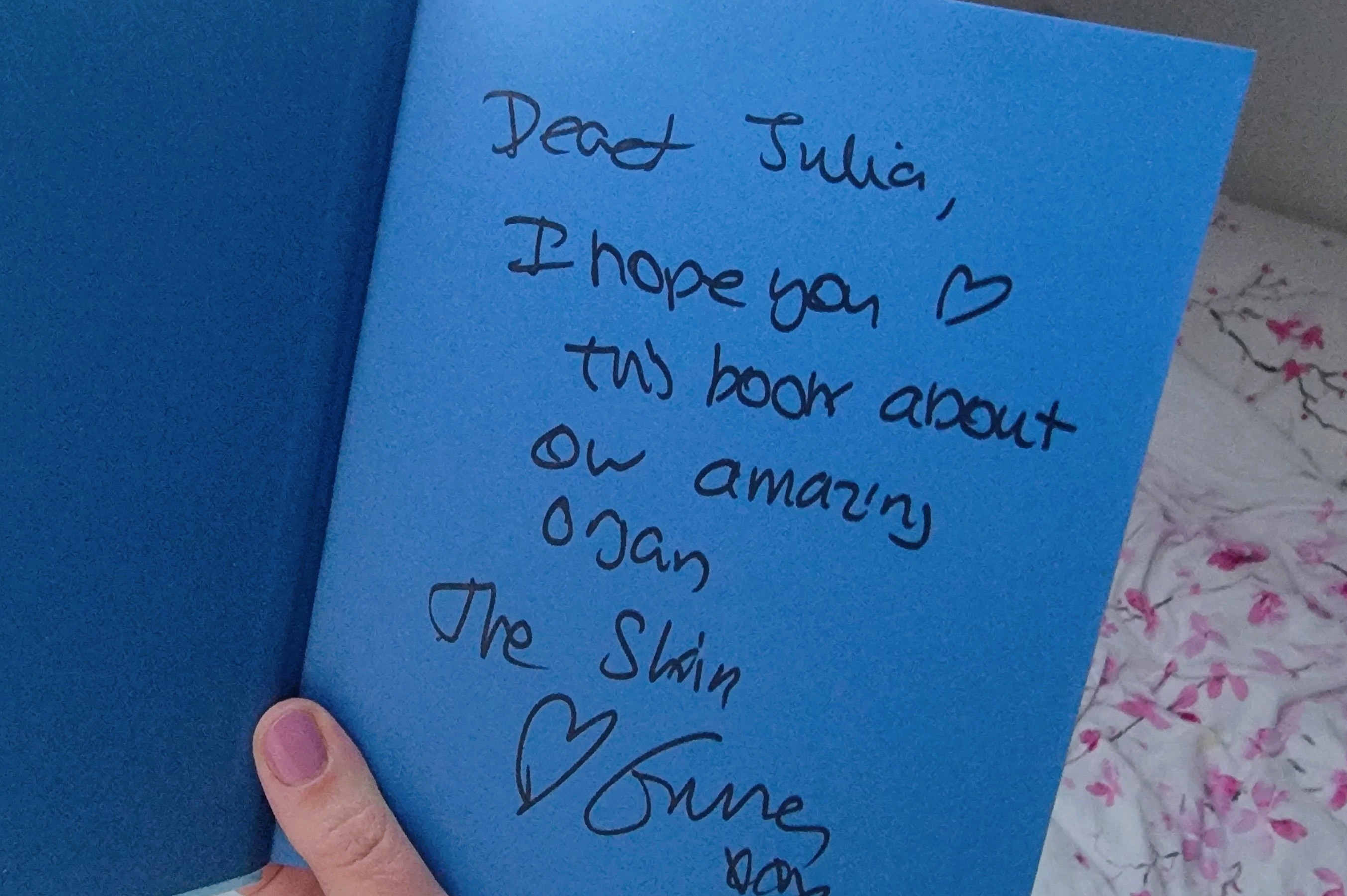
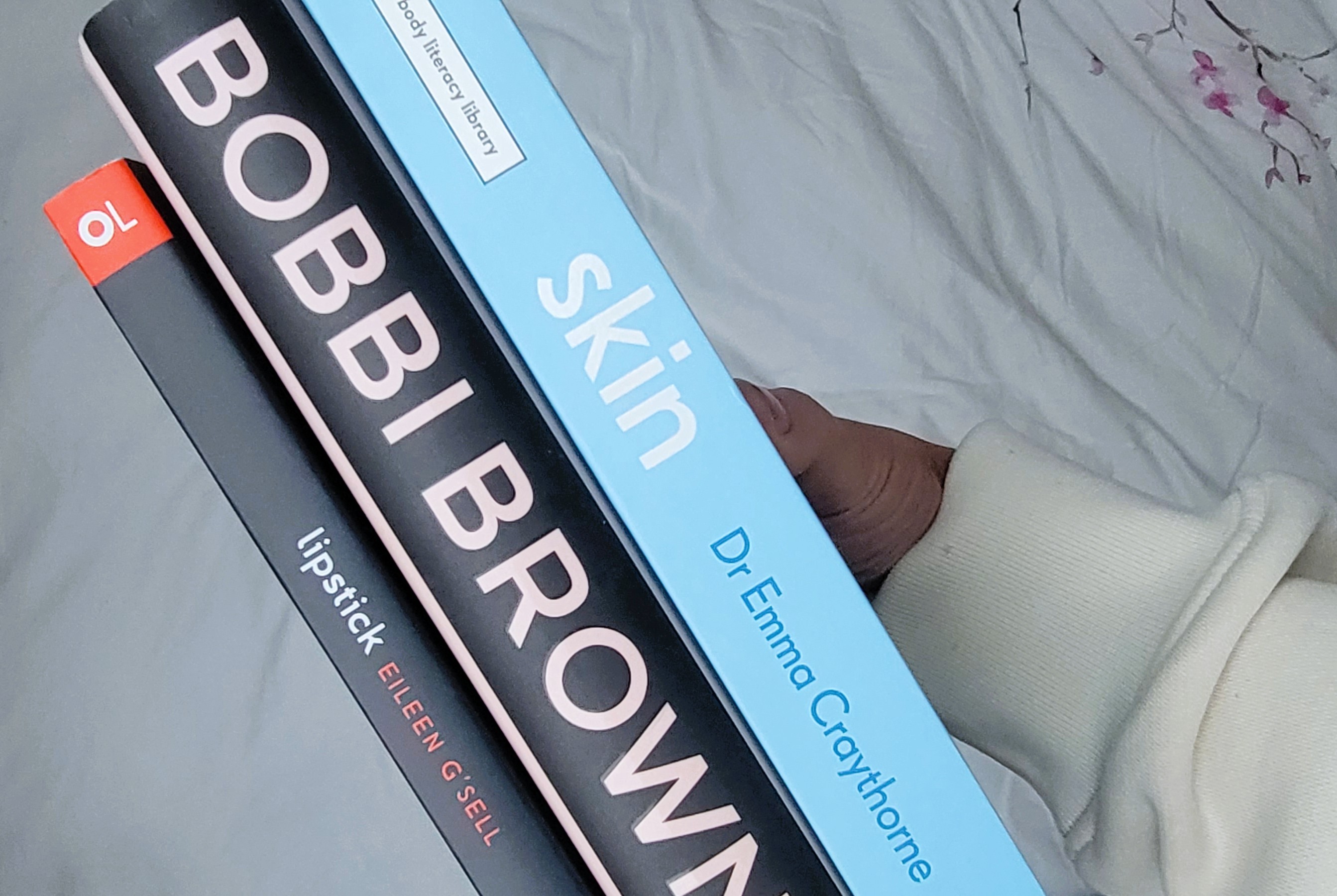
Skin: An Owner’s Guide by Dr Emma Craythorne
Choose for: evidence-based skincare knowledge
Part of publisher DK’s Body Literacy Library, a series of accessible, expert-led “owner’s guides” that translate the science of different parts of the body into practical health knowledge, this book helps you understand your skin rather than simply “fix” it. A consultant dermatologist, Craythorne covers how skin changes across life, the role of the microbiome, stress, acne, ageing and more serious conditions, combining research with practical guidance.
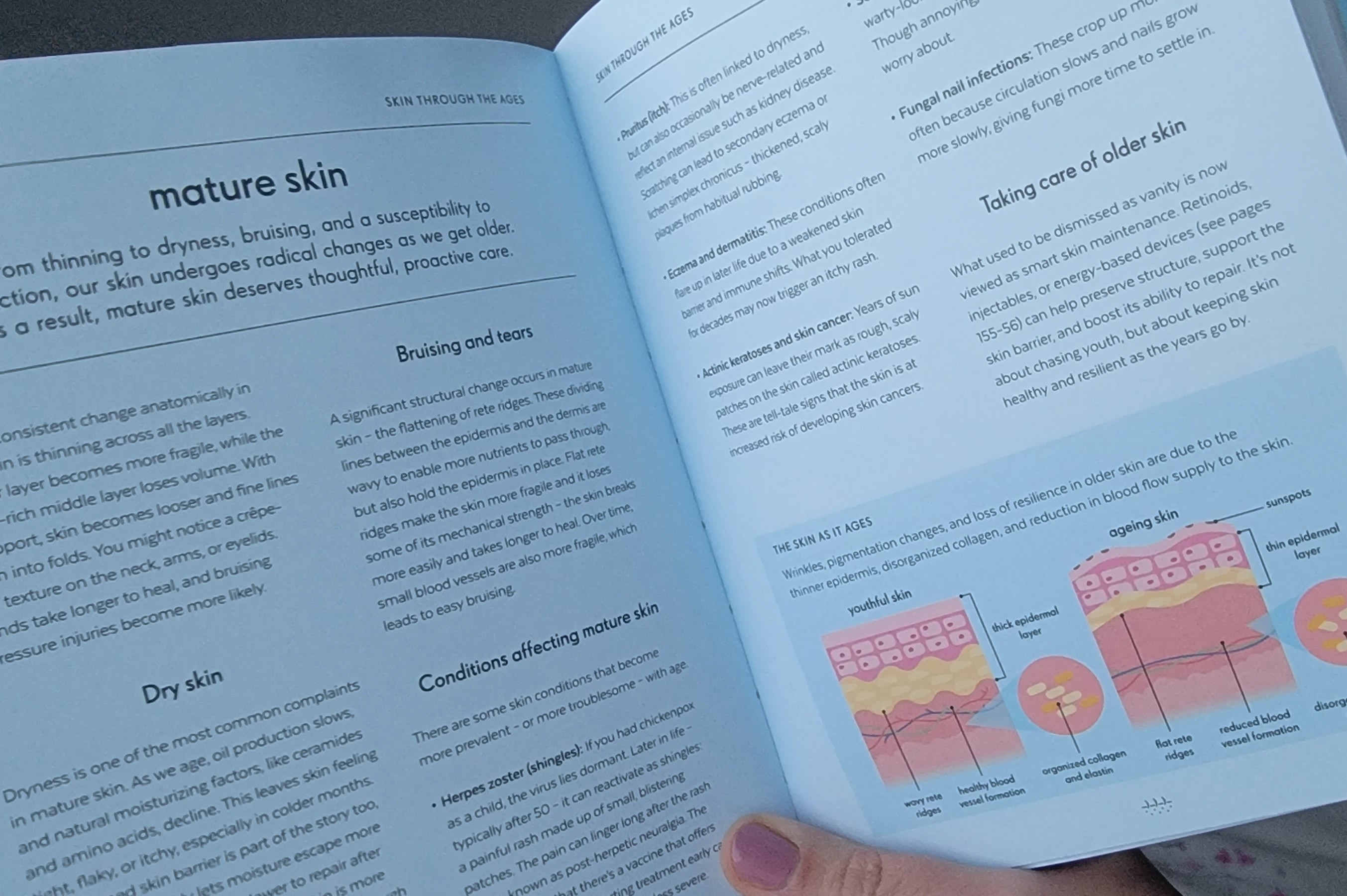
I’ll be honest: the opening chapters on skin structure can feel a little dry if you’re used to beauty content that jumps straight to serums and routines. But look beyond those bits and you’ll be rewarded with fascinating soundbites:
- We all carry Dermodex mites in our skin microbiome, around hair follicles such as the eyelashes. They emerge at night to move across the skin and mate – sounds gross? Yes, but it’s a useful reminder that “clean” skin is never sterile skin
- Apparently preventing frowns can reduce negative emotions – a useful stat for encouraging botox injections, which have been linked to improvements in mood, but no doubt a good laughing session would boost your mood just as much, without the risks and costs of injection a toxin into your body
- Touch is the first of our senses to develop in the womb, like a silent language between mother and child before any other connection is possible – maybe explaining why skin on skin contact is so important in early life
The most meaningful takeaway for me is the distinction between intrinsic and extrinsic ageing. Intrinsic ageing is predetermined and written into our DNA, whereas extrinsic ageing relates to lifestyle and the choices we make, including nutrition. A useful reminder that skincare works best when paired with healthy daily habits.
Still Bobbi by Bobbi Brown
If you liked My Story by Jo Malone
This is not Bobbi Brown’s first book, but it is her first memoir, where she takes us on her professional journey and what she learned along the way. From makeup artist to founder of a billion-dollar brand, she shows what it takes to build not one but two successful brands, with the creation of Jones Road Beauty after leaving the first company she created.
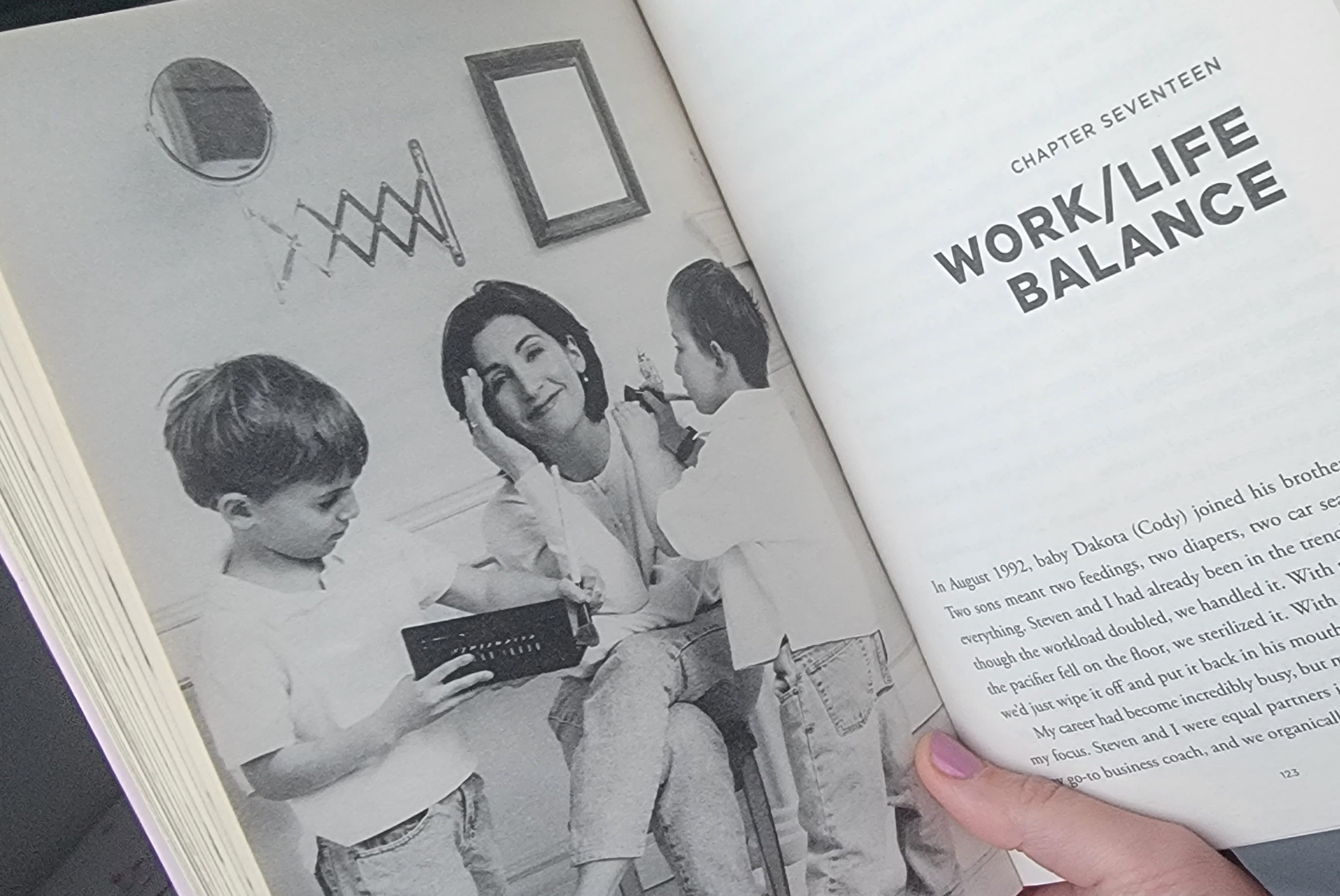
What makes it compelling is how tenacious she was in her beliefs. These are some useful lessons that can transfer to many professional paths:
- Give it a go: Bobbi spent a year waitressing in Boston while trying to secure makeup artist work, before realising there wasn’t a market for her there and moving on to New York
- Don’t be afraid of failure: she dropped out of university to study what she was really passionate about
- Reach out to people: in her early years, as she was figuring things out, Bobbi didn’t hesitate to reach out to people to ask for a job – even if it ended in rejection
- Persevere: as makeup artist, Bobbi didn’t just land high end gigs. She called and made appointments. She took unpaid work to build a portfolio. She kept in touch and called again. She got stuck in and helped out on set, going beyond her remit. And it paid off.
- Say yes, talk to people, explore your surroundings: that’s what led to many opportunities such as writing her first book, or finding a lab to make her lipstick formulas the way she wanted
At its heart, Still Bobbi is about resilience without pretending the setbacks weren’t real. Brown’s ethos – real is better than fake, simple is better than complicated – runs through both her beauty philosophy and her business story.
Lipstick by Eileen G’Sell
Perfect if: you’re curious about the cultural significance of everyday objects
Eileen G’Sell’s Lipstick is the most intellectually playful of the three. Part of Bloomsbury’s Object Lessons series, it takes the most iconic item in Western beauty history and uses it to examine femininity, gender, class, sexuality and power.
G’Sell, a poet, culture critic and university teacher, refuses to treat beauty as frivolous. Instead, she asks why self-adornment can still provoke scrutiny, and how something as small as a lipstick can become an act of play, transformation or even rebellion.

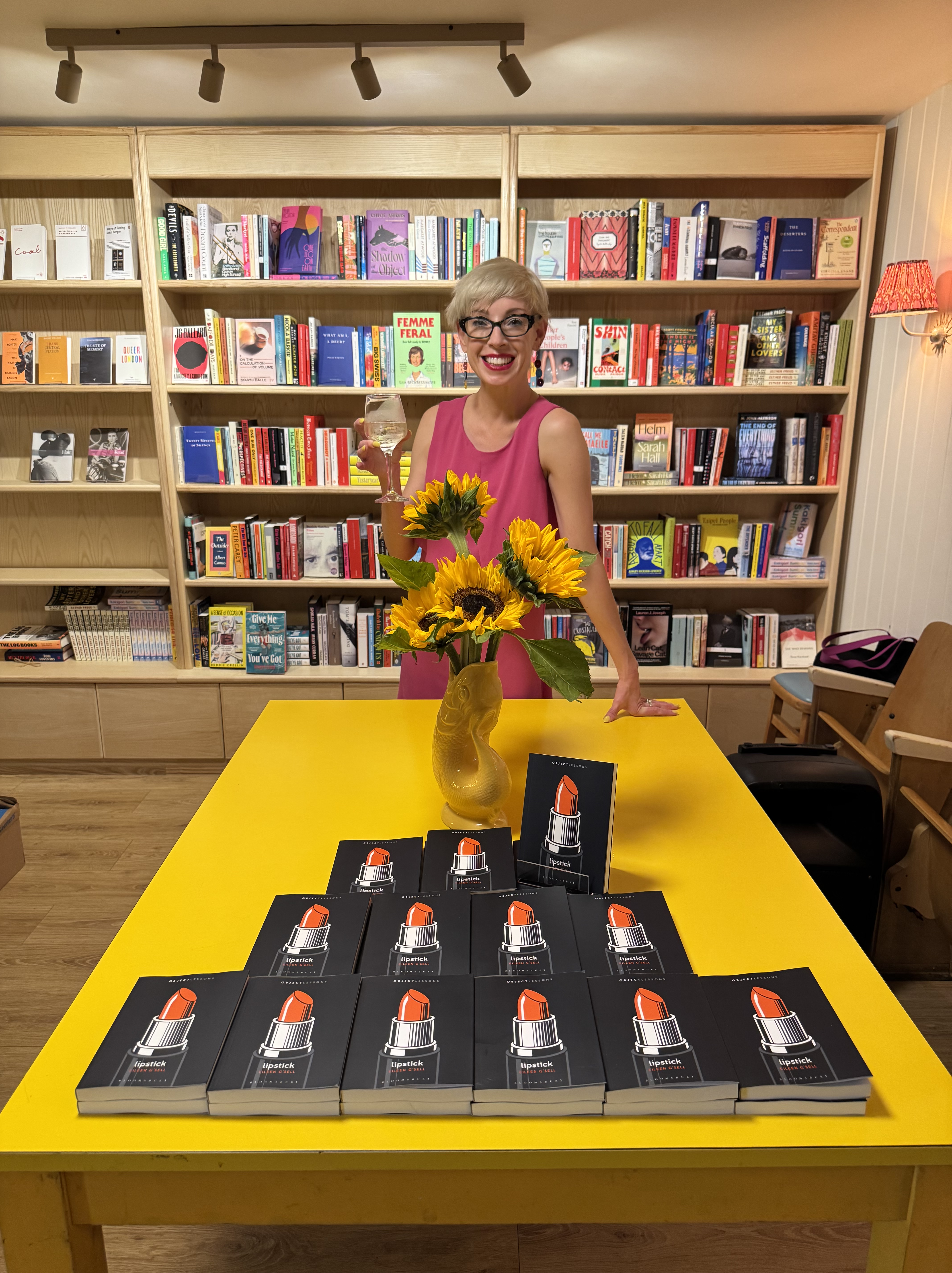
I was in conversation with Eileen for her UK book launch this summer, but if you’re after teasers, here’s some food for thought:
- Lipstick and beauty culture can be treated as a serious subject matter: Eileen challenges that assumption with this lively, provocative book supported by intellectual rigor with an accessible voice
- “She looks cheap”: red lipstick was associated with prostitution in 18th century, and this stigma still haunts the way we judge a heavily made-up face in today’s western cultures
- Democratising lipstick: makeup artist Max Factor initiated the transition from lipstick’s association with prostitution, to Hollywood glamour, and finally bringing it to the masses with his 50 cent lipstick in the early 1900s
- Feminists criticising lipstick wearing reinforce harmful beliefs that a feminine woman cannot also be smart
- Embrace bright lipstick to go against societal expectations to grow old quietly: after all, the older a woman gets, the more confident she often becomes in herself – so why tone down the outside?
Lipstick is a witty, thought-provoking reminder that even the smallest beauty ritual can carry big questions about identity, gender and the freedom to express who we are.
Features gifted products

