
According to consumer experts at Mintel, beauty in 2026 is getting smarter, more sensorial and more human. In My Soho Times’ special beauty edition, I share the beauty trends shaping the year, as we move away from a single viral product and shift towards a fundamental reset in how we think about skin, self-care and even what “luxury” really means.
1. Metabolic Beauty
If 2025 was about “skin health”, 2026 is the year beauty fully merges with metabolic wellbeing. Come again? It’s the idea that the way your skin and hair look is directly driven by how well your body functions, from cellular energy, to hormonal balance, sleep hygiene and healthy nutrition. Instead of simply asking “What’s my skin type?”, we want to go deeper: “What’s my biological age? How resilient are my cells? How’s my energy?”
Breakthroughs in biomarker testing, continuous metabolic monitoring, bio-intelligent tech… what does this all mean for your skincare routine? Expect a hyper-personalised approach to address your energy, hydration and cellular repair all at once thanks to AI-powered rapid health diagnostics. Healthy-ageing skincare now focuses less on “turning back the clock” and more on preserving, fortifying and regenerating. Think cellular-health heroes like resveratrol, proxylane and ginseng derivatives, all working to support healthy cells. This year reframes beauty as part of a broader longevity toolkit, working alongside sleep tracking apps and supplements.
Your metabolic toolkit
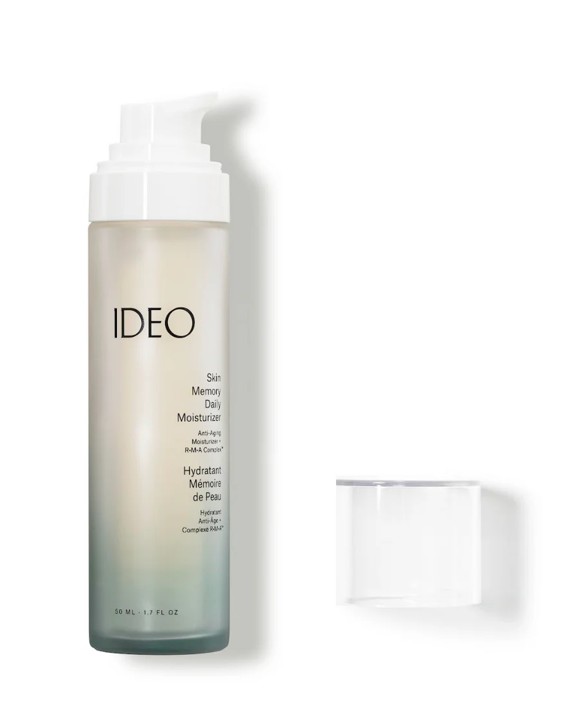
- IDEO Skin Memory Daily Moisturizer is formulated with resveratrol, maleate and antioxidants. It claims to deliver a metabolic boost by enhancing energy use and repairing skin damage.
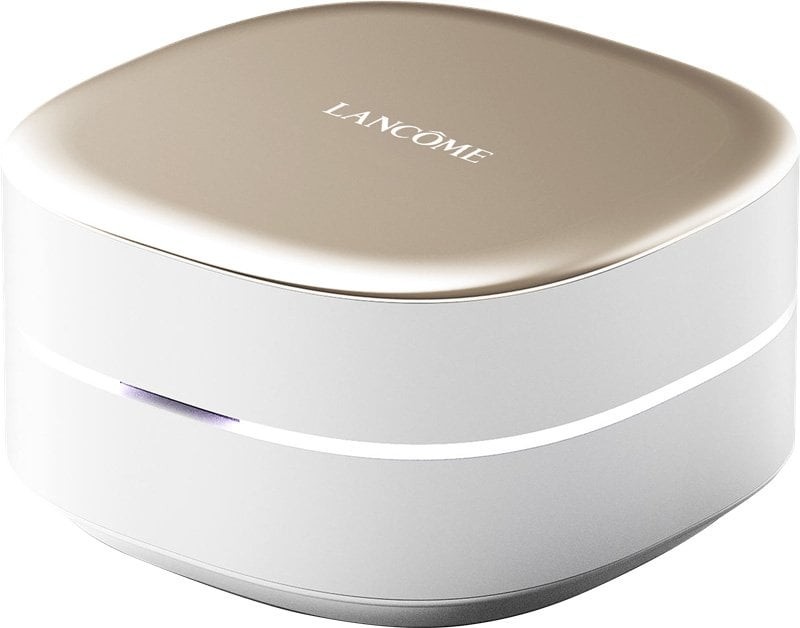
- Lancôme Cell BioPrint is a portable lab-on-a-chip device that analyses skin’s biological ageing, to give insights on cellular health and recommends personalised solutions.
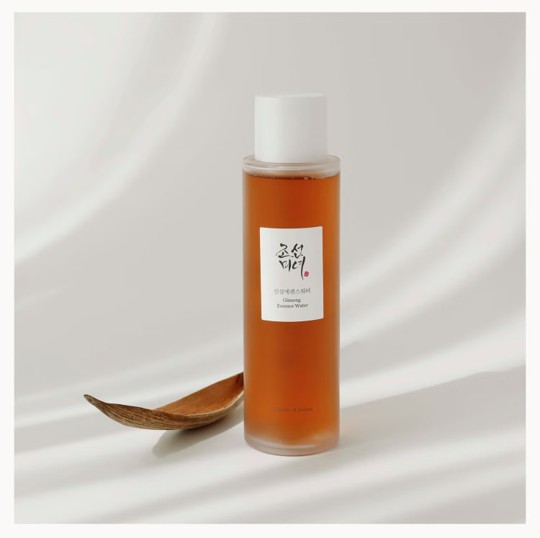
- Beauty of Joseon Ginseng Essence Water is a lightweight hydrating essence with a high concentration of Panax ginseng root water for glow and resilience.
2. Sensorial Synergy
2026 is also the year beauty leans fully into feeling. In a world of economic uncertainty and digital fatigue, products that only “work” are no longer enough; they have to make us feel good too. This is about using the product’s texture to make you feel cocooned, elevating its scent to create an emotional connection. Your fragrance no longer just delivers a pleasant scent, it is designed to support sleep, focus or calm, entering the same space as stress-relief tools.
This shows up in our shopping experience too. After years of a contactless approach, we’re craving hands-on discovery: immersive stores with signature ambient scents, soundscapes, tactile testing and interactive installations that encourage lingering – it’s the era of the pop-up store with “play zones” reimagined as multi-sensory playgrounds. And above all, face-to-face interactions in the shape of skincare consultations and wellbeing workshops: the ultimate luxury in a world of chatbots.
As research continues to highlight links between smell, memory, mood and metabolic function, fragrance, the UK’s no.1 beauty category, will continue to grow and shift into all areas of your life, from room fragrance and bath rituals to skincare, all choreographed to support emotional balance.
Your sensorial ritual:
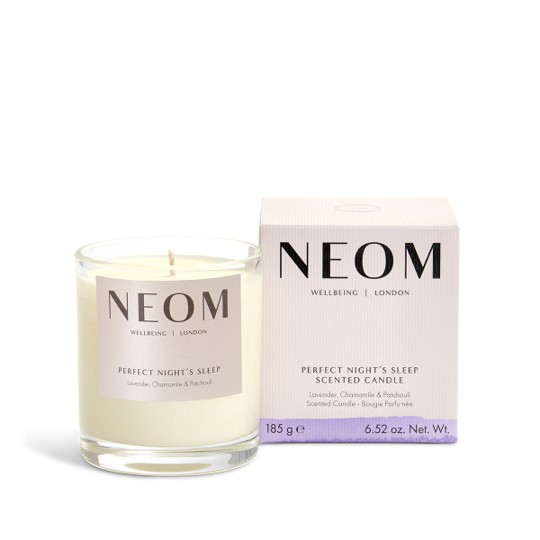
- NEOM Wellbeing Perfect Night’s Sleep Scented Candle contains a blend of 19 essential oils including lavender (known for its calming properties), chamomile and patchouli, to help you relax and prepare for sleep
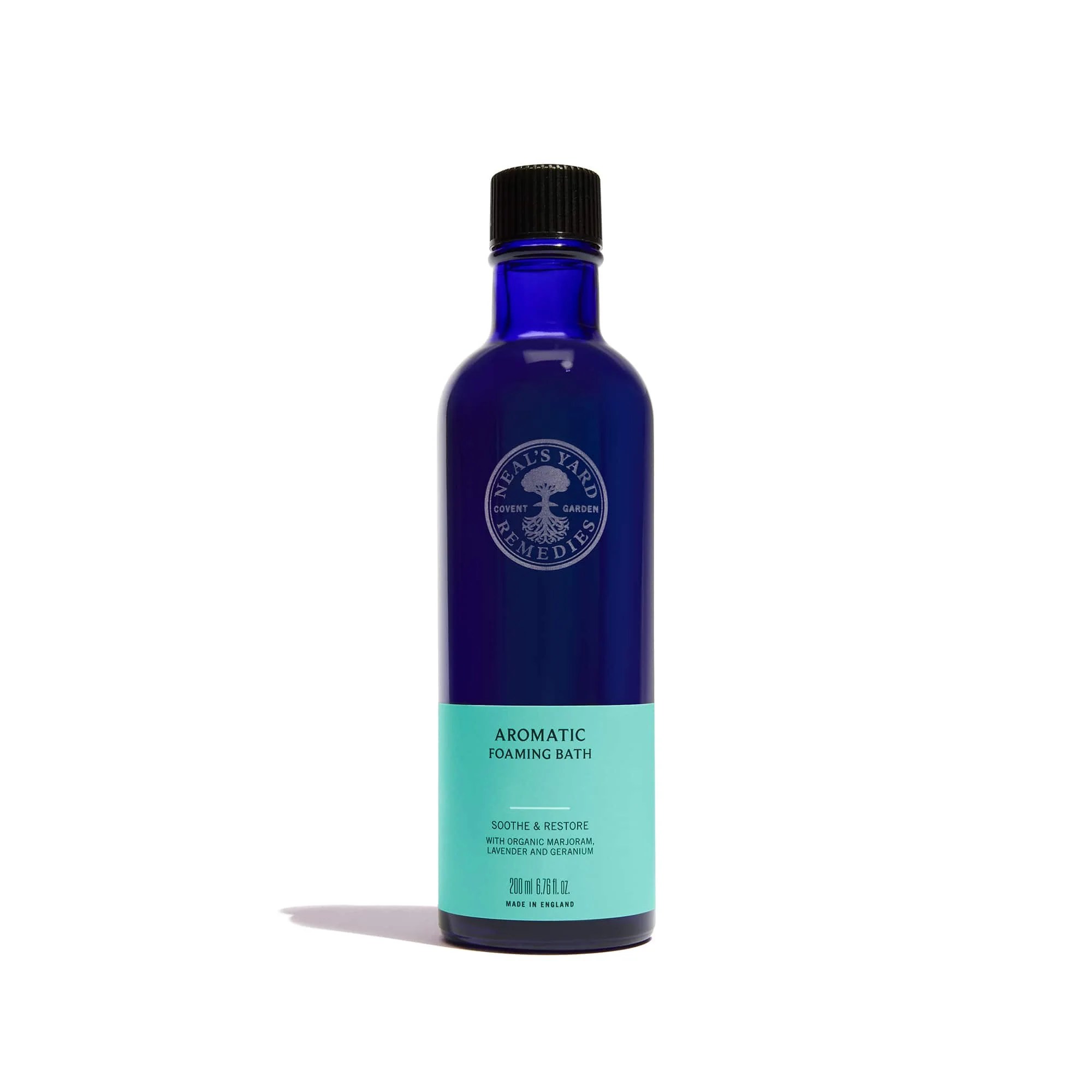
- Neal’s Yard Remedies Aromatic Foaming Bath is a calming blend of lavender, Spanish marjoram and geranium essential oils that encourages relaxation
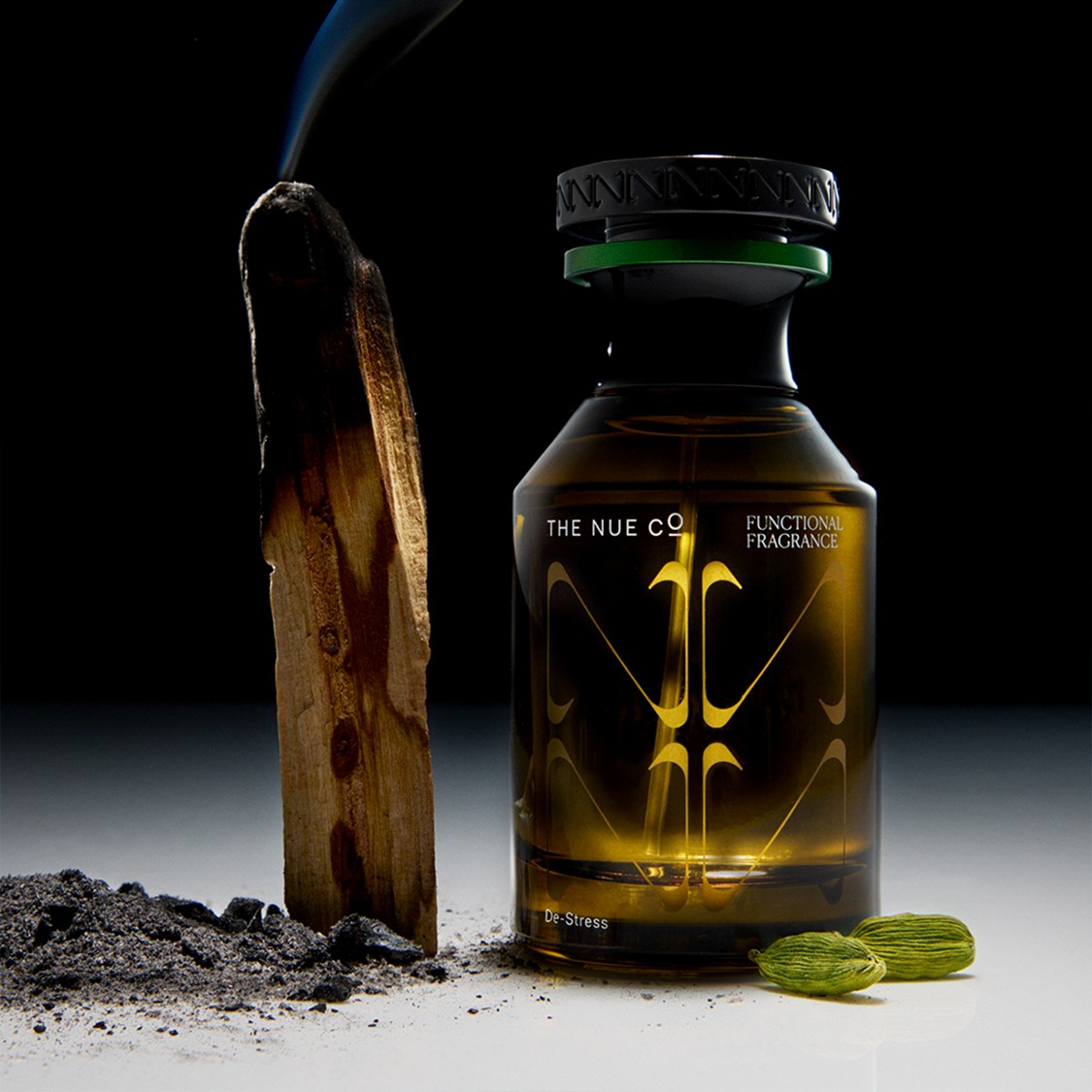
- The Nue Co. Functional Anti-Stress Fragrance is positioned as an anti-stress supplement delivered in the form of a unisex fragrance
3. Beyond the Algorithm: The Human Touch Revolution
The third big movement for 2026 is a quiet rebellion: a push back against AI-polished perfection and algorithmic sameness. If you’re bored of scrolling through feeds full of sameness, you’ll be glad to hear there’s a trend for reframing imperfection as a luxury. Instead of flawless, filtered imagery, we’re seeing more of skin’s natural texture – pores, scars, expression lines – and therefore more personality. We’re no longer interested in sleek, shiny profiles that hide behind filters. We’re not just after product, we want a story.
Craftsmanship is becoming the new status symbol. We want limited-edition pieces, small batch runs, hand-finished details. We want to get to know the real people behind the brand, not yet another viral dupe drop. But this doesn’t mean abandoning technology altogether. AI still plays a role, but behind the scenes, helping with diagnostics and smart personalization.
All of this points to the importance of human connection. Health benefits of strong social ties is not new news, but we can use the beauty space to remind ourselves of the importance of community: the new “beauty hack” isn’t just the right serum; it’s the people you share the ritual with.
Look for beauty beyond the algorithm:
- Make social media work positively for you: find out about interactive pop ups and go with friends to discover the latest beauty launches together
- Sign up to your favourite brands’ newsletters to be the first to hear about their workshops and after hours events
- Ffern creates only 4 perfumes each year, and produces only one batch: the ultimate in limited edition status, you have to sign up without having even smelled it

