
It’s that time of year isn’t it: when we’re looking for a healthy reset via gym memberships, new eating plans or self-care routines. Whichever shape it takes, a reset can help untangle what’s working for you, what needs to be dropped or what’s missing. I used to write down new year beauty resolutions, from cleaning makeup brushes weekly to reading more beauty books. My love of beauty books hasn’t left me since I picked up my first copy of Hirons’ Skincare. So here we are, with 3 reading picks from accomplished wellness and beauty entrepreneurs to start the year right. Exploring healthy aging, supplement stacking, and the secrets of glowing skin across generations and cultures, these books promise tips and takeaways to enhance your wellbeing.
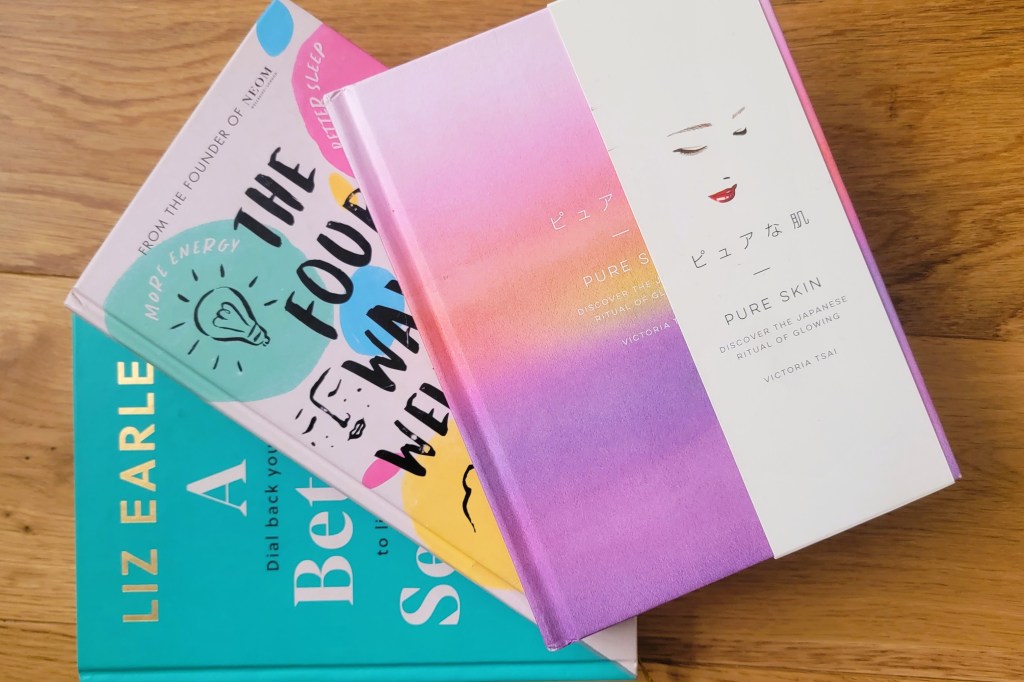
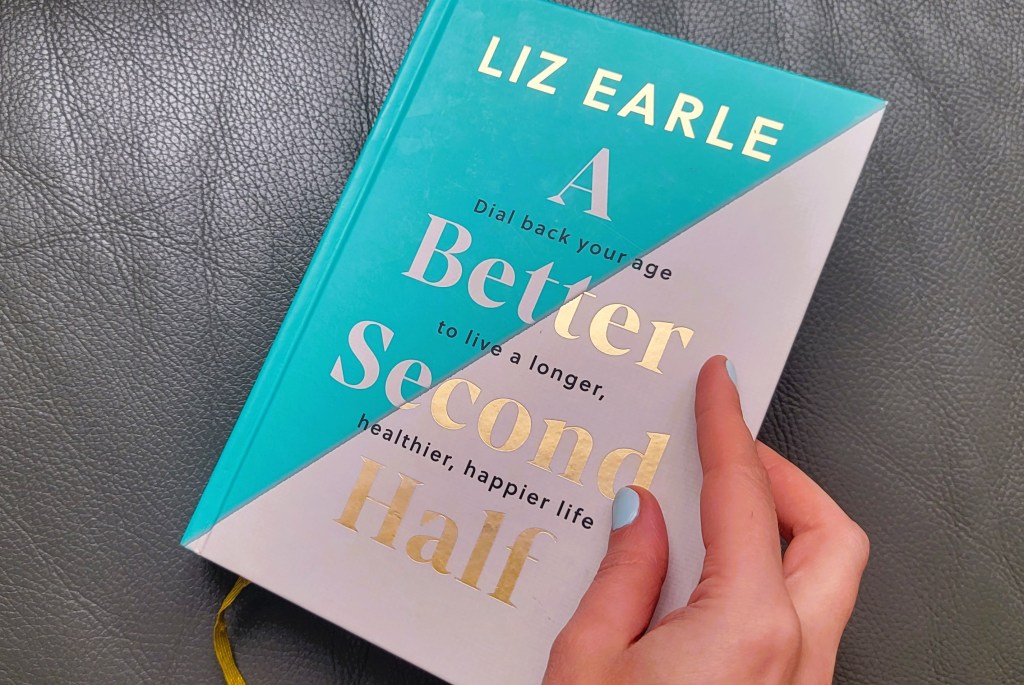
A Better Second Half by Liz Earle, founder of Liz Earle Beauty Co. and Liz Earle Wellbeing
For anyone who grew up with the iconic Cleanse & Polish Hot Cloth Cleanser, you’ll already have heard of Liz Earle’s name. Having sold her beauty business to Avon in 2010, she then focused on growing her wellbeing empire to include podcasts, newsletters and bestsellers. This one looks at wellness post-40, covering exercise, nutrition, sleep, hormones, and relationships. Providing a very positive outlook on ageing, Liz Earle guides us through midlife and beyond as an era of personal growth, health and possibility – that is, if you have the time and money required for what feels like a very privilege‑heavy lifestyle.
What worked for me:
- A blend of memoir, science explainer and self‑help manual, I loved reading about Liz Earle’s life – similar to reading Jo Malone’s autobiography, it gives the reader a glimpse into an inspiring entrepreneurial spirit
- Some of her health and supplement advice had a genuinely positive impact on me: adding weights to my gym routine and taking magnesium daily were simple changes that made my day‑to‑day life feel much better suited to my age
What didn’t work for me:
- Most of the advice very much felt targeted at ladies who lunch – the middle class retired type or trad housewife with not only cash and time on their hands, but also a desire to spend a sizeable amount of it on lengthy self-improvement tasks that could easily take up the entire day, from daily weights training and cold water swimming to buying the type of mushrooms you’re unlikely to find in your local Tesco Express
- Although Liz Earle positions her recommendations as science-backed, I did not appreciate having HRT shoved down my throat as the best solution for hormone management. Just because it works for her does not make it the ultimate solution for everyone, and she had been objective, she should have clearly outlined the risks, not just shout the benefits

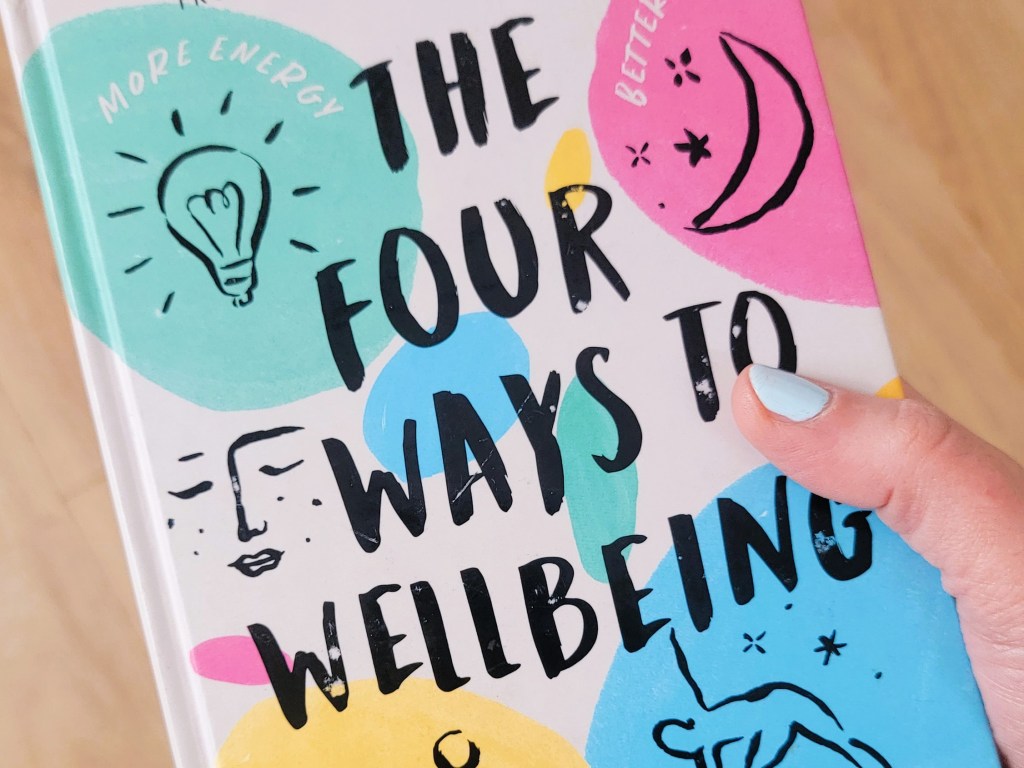
The Four Ways to Wellbeing by Nicola Elliott, founder of Neom
Founder of NEOM and former journalist, Nicola Elliott has built her career around making wellbeing accessible and actionable for busy lives. But whilst her tips often feel more accessible than Liz Earle’s, they are still very much grounded in middle class lives – cue references to garden ponds.
What worked for me:
- The book is structured around 4 clear pillars, making it easy to adopt the rituals that will address your most relevant needs – better sleep, less stress, more energy, and boosted mood – but also highlighting that when one goes down, the other pillars are affected too
- Investing in small daily rituals, rather than luxury routines, feels a lot more achievable. Nicola Elliott emphasizes our lost connection to nature and the importance of rediscovering outdoor light. So I now try to make the most of the morning school walk through the park, where an occasional rainbow or red robin spotted never fails to perk me up
- Exploring how the concept of relaxation has become synonymous with sedentary screen time. We’ve forgotten how to move away from doing mode into being mode. I find café culture – sitting out on a terrace people watching – a good reminder of a true form of relaxation. Whatever it is that allows your mind to roam freely and discover new avenues, and maybe help your brain find solutions to problems you were previously too close to
Did you know?
- Our brain doesn’t distinguish between physical and emotional pain. The part of the brain that brings these 2 information pieces together and decides how to protect you is the same
- Caffeine doesn’t give a buzz, it just stops us feeling tired. Caffeine molecules block the sleep-making molecules
- Pink noise is nature base sound like waves crashing and is great for waking up
- Research suggests that negative emotions can have a bad impact on the immune system and delay recovery from illness, while positive emotions and a supportive social environment can promote healing
Pure Skin by Victoria Tsai, founder of Tatcha
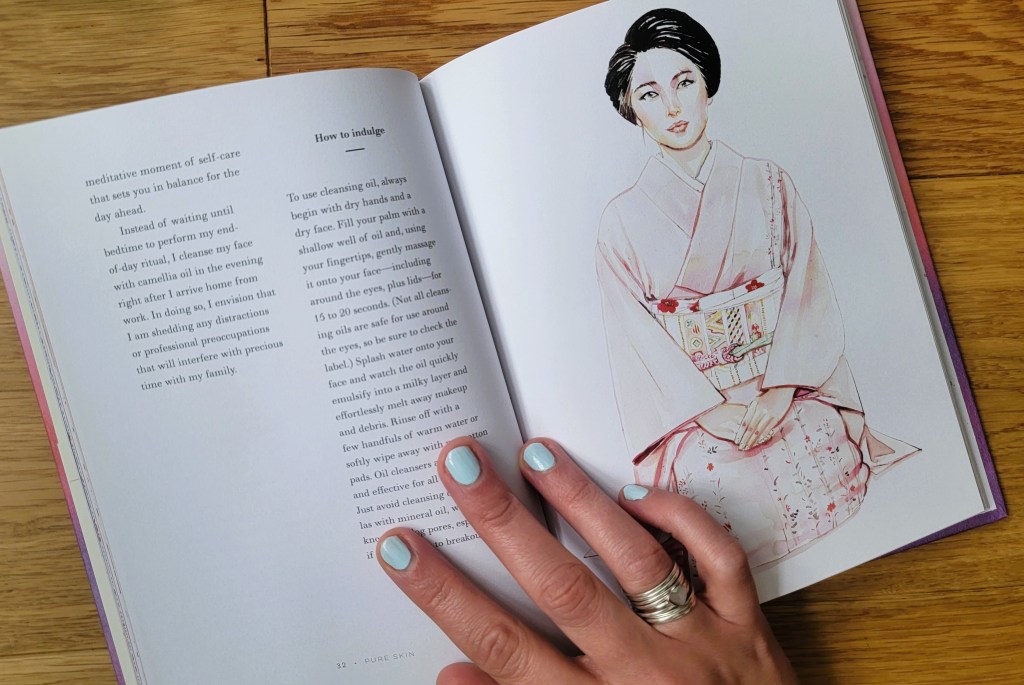
Victoria Tsai is the visionary behind luxury skincare brand Tatcha. Her beautifully illustrated book draws inspiration from the Japanese mochi hada ideal—skin so luminous and supple it evokes a fresh rice cake – and explores the connection between diet and skin: what nourishes your body also nourishes your complexion, reflecting holistic wellness values. She blends East and West seamlessly, using centuries-old ingredients backed by scientific research to deliver her brand which modernizes the classic geisha beauty routine into four streamlined steps:

- Purifying with camellia oil
- Polishing with rice powder
- Plumping with essence
- Nourishing with rich moisturizers and oils.
The lessons that’ll stick with me:
- Celebrating growing old: in Japan, ageing is viewed as a gift rather than something to dread or to try and reverse. A classical Japanese ritual helps you prevent issues, rather than address them after the fact: “it’s not just about the results that you see but the issues that you never see”
- Life lesson from a geisha: people remember how you made them feel. If you make someone feel cared for, you are beautiful to that person
Did you know?
- The “Kyoto cleanse” refers to the Japanese tradition of double cleansing, now widely adopted by skincare enthusiasts.
- Samurai wore indigo-dyed cotton to heal injuries—a testament to the anti-inflammatory properties still harnessed in modern products for eczema-prone sensitive skin
- Japanese women enjoy a longer life expectancy (87 years) than American women (81), largely attributed to their wholesome diet and mindful lifestyle
Features gifted products
 Fresh Beauty Fix