
Forget crystal balls, all you need to predict our future beauty habits is access to global research agency intel and… ChatGPT. According to consumer experts at Mintel (source: Mintel Global Beauty & Personal Care Trends 2024), the beauty industry is poised for a significant transformation with the integration of AI into our daily routines. Artificial intelligence will revolutionise beauty by making it more personalised, efficient and effective. Sounds dreamy? As always, there’s a catch: the more you reveal of yourself, the more precise the recommendation, but at what cost to your privacy? So which camp do you sit in: yes to hyper customisation, or no to robotics domination? Here is what I shared in my latest feature for My Soho Times.
Ultra-personalisation: the rise of a new utopia?
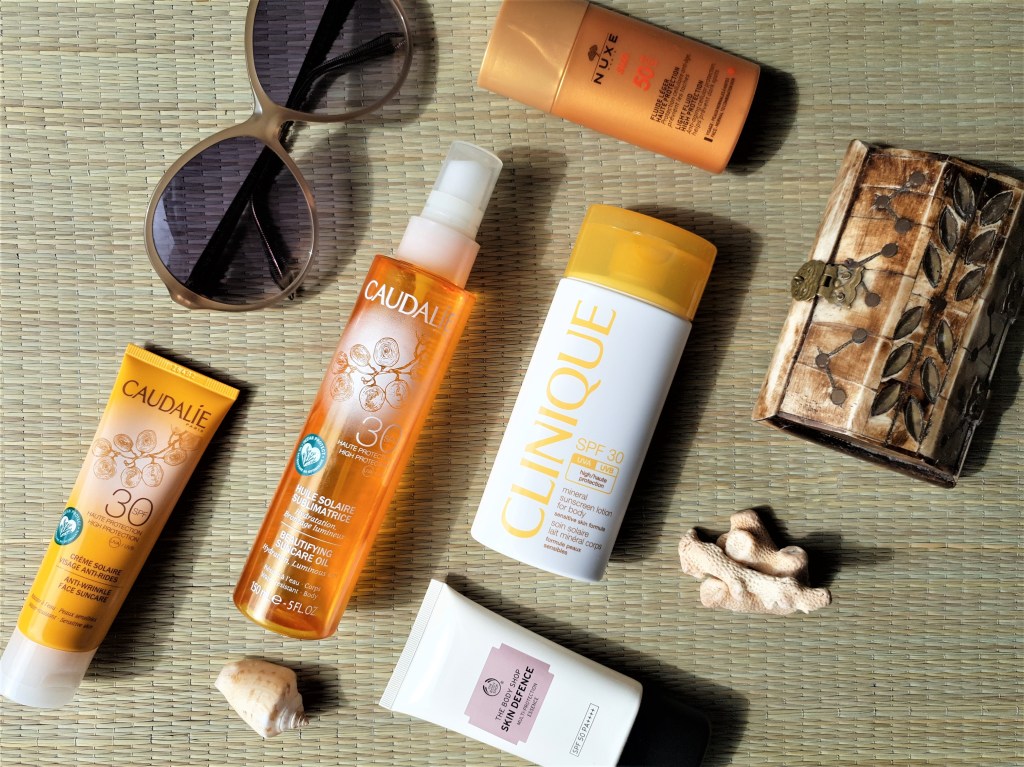
Overall, our desire for and acceptance of tech as omnipresent is a solid foundation for AI optimism: for example most Finnish adults who are aware of AI think it’ll benefit society, and Chinese consumers go as far as believing AI-powered recommendations are more reliable than human advice. What does that mean for beauty? One of the most exciting prospects is the development of AI-powered skincare analysis tools. Imagine having a virtual skincare consultant that assesses your skin condition, considers environmental factors, and recommends tailor-made products. These tools could analyse everything from hydration levels to sun damage, providing a more accurate and personalized skincare regimen. Dull skin? Add a vitamin C booster to your morning routine. You have an outdoor tennis lesson in the diary? UV rays are strong today so don’t forget to apply SPF.
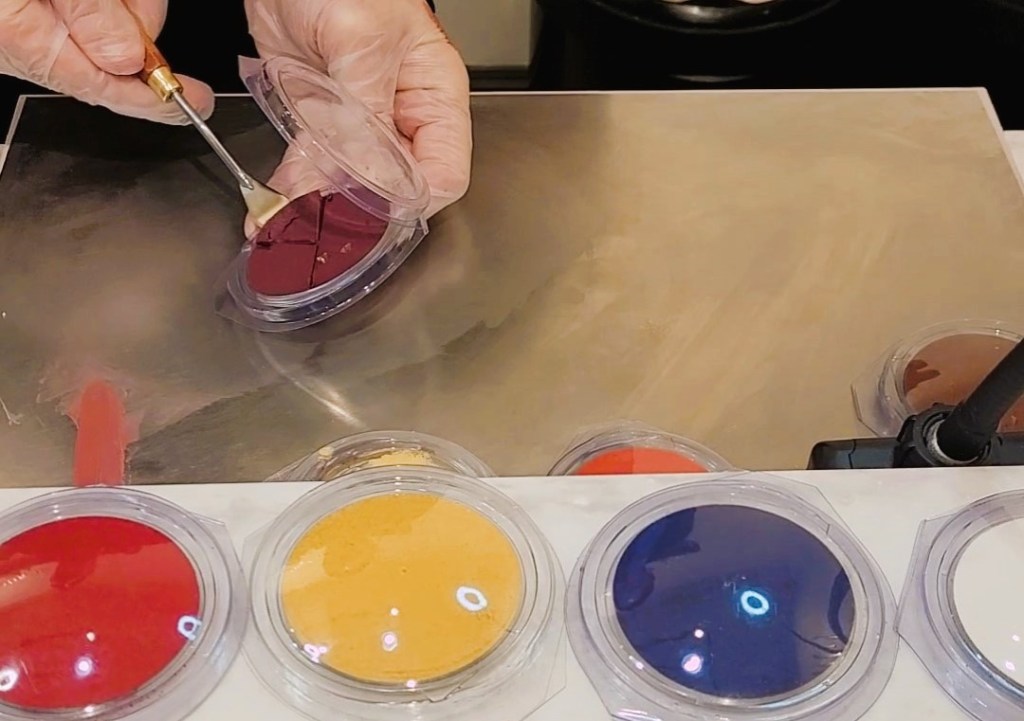
As for makeup, you may already be familiar with virtual makeup try-on apps, but this year we can expect them to become even more sophisticated. AI algorithms will better understand individual facial features, allowing for more realistic and personalized makeup simulations. Say goodbye to makeup mishaps – AI will help you visualize and experiment with different looks before committing to that new lipstick. Faster, cheaper, more convenient, yes, but maybe lacking the human connection and theatre experienced with the likes of Code8 bespoke lipstick experience, where a makeup artist literally creates a tailor-made product right in front of you.
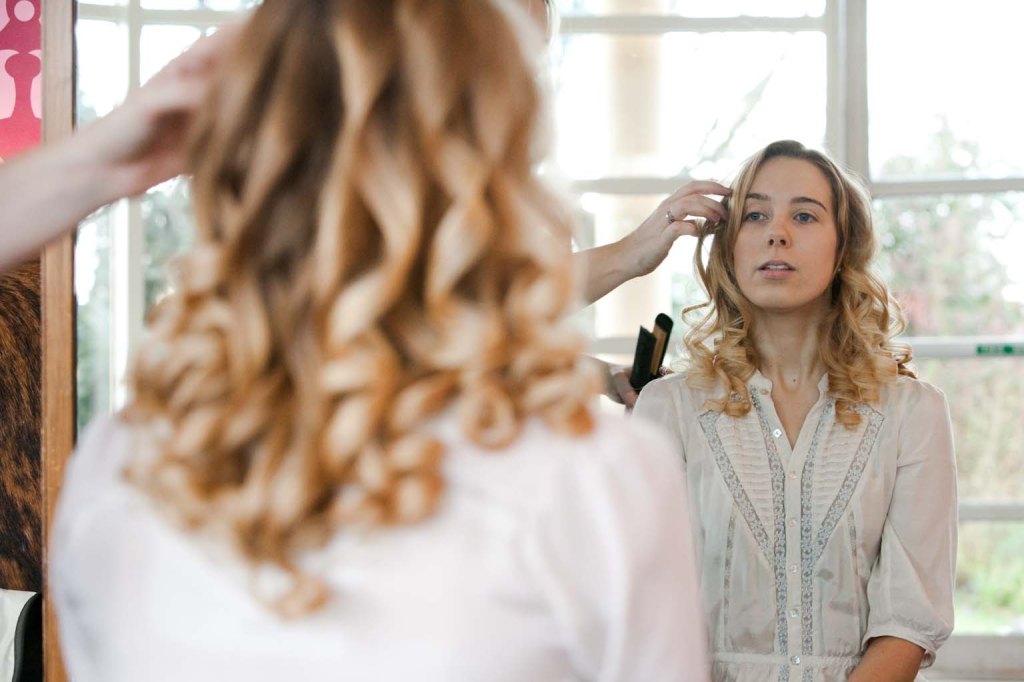
This virtual try before you buy approach will also apply to haircuts and hair products: Japanese salon equipment manufacturer Takara Belmont has developed Ecila, an AI-equipped smart mirror designed for hair salons that provides clear images both as a mirror and as a display to help stylists communicate with their clients and keep them entertained. From trialling a new hairstyle to browsing in-salon shoppable products, you’ll be having a three-way conversation between you, your stylist and the mirror. Mirror, mirror on the wall, who is the fairest of them all… ChatGPT’s answer to this iconic question: ‘I can assure you that true beauty lies within’. Said with such certainty, how cute.
A word of caution… protect your privacy
As much as this sounds all rosy, the more we use AI in our everyday life, the more debates will arise about the ethical implications. AI is developing at such a fast pace, we need to keep up with what this means for data privacy, as well as the potential rise for unrealistic beauty standards (as if social media and filters were not already enough to contend with). AI is data-hungry, how is your information being used? Look to brands and companies that are transparent about how they use AI, disclose how your data is handled and what measures they’ve put in place to protect your information. In 2022 many US states turned their back on women’s reproductive rights, criminalising abortion. Imagine the repercussions if period tracking apps were to disclose their users’ personal health information… Striking a balance between innovation and responsible use of AI will be crucial in shaping the future of beauty tech.
What’s next? A glimpse into the future
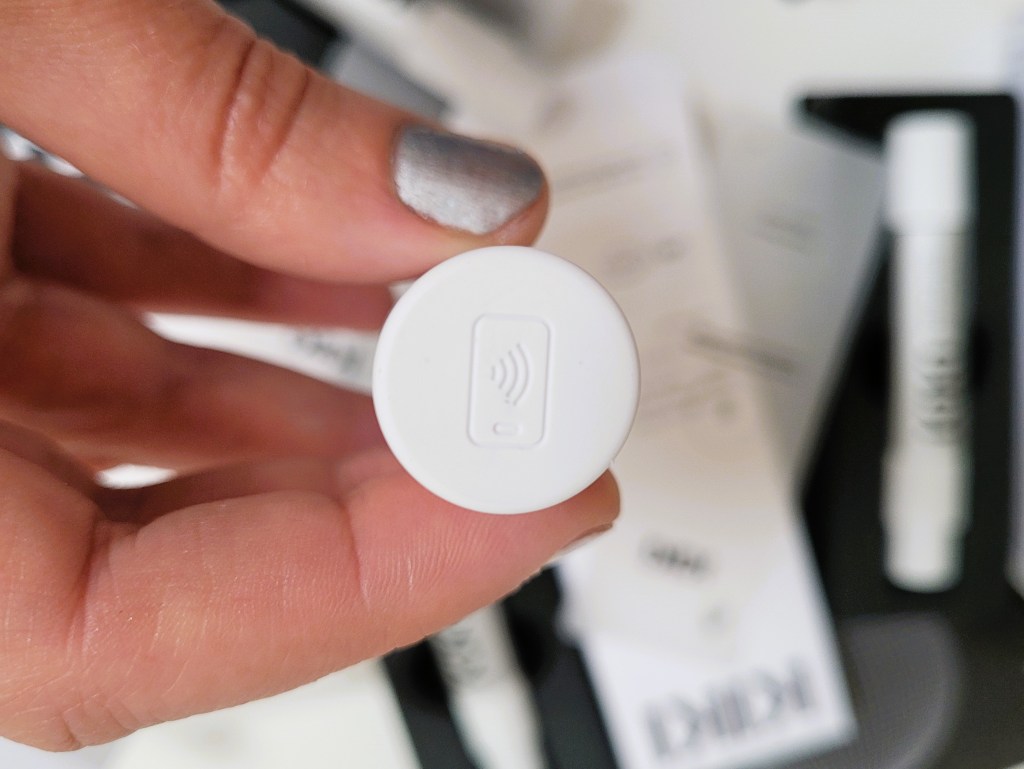
While AI can be very visible to us consumers when used as a hyper customisation tool, it can also play an important role behind the scenes: beauty companies such as Revela are using it to discover ‘new’ ingredients, sifting millions of molecules to identify ones that have potential to address beauty concerns. AI can also assist in finding green alternatives to cosmetic ingredients that are currently putting a strain on the planet’s resources, or even identify emerging trends before us humans, helping brands develop the right product at the right time. It can give us a helping hand in co-creation: Kiki World offers us the opportunity to choose what beauty product it creates, and NFC tags on their nail graffiti pens reward consumers not just for buying the product (the traditional loyalty programme), but for using it.

As with most technology, there is a caution attached to every shiny new toy. From personalized skincare routines to virtual makeup try-ons, this year the integration of artificial intelligence is set to redefine how we approach and experience beauty. Regardless of your views on it, AI is coming; it’s how we adapt to it that will be critical. Oh and ChatGPT in all of this? I asked for its help in writing this article – can you tell?
Features gifted products
 Fresh Beauty Fix
2 thoughts on “ARE YOU READY FOR AI TO TRANSFORM YOUR BEAUTY ROUTINE THIS YEAR?”